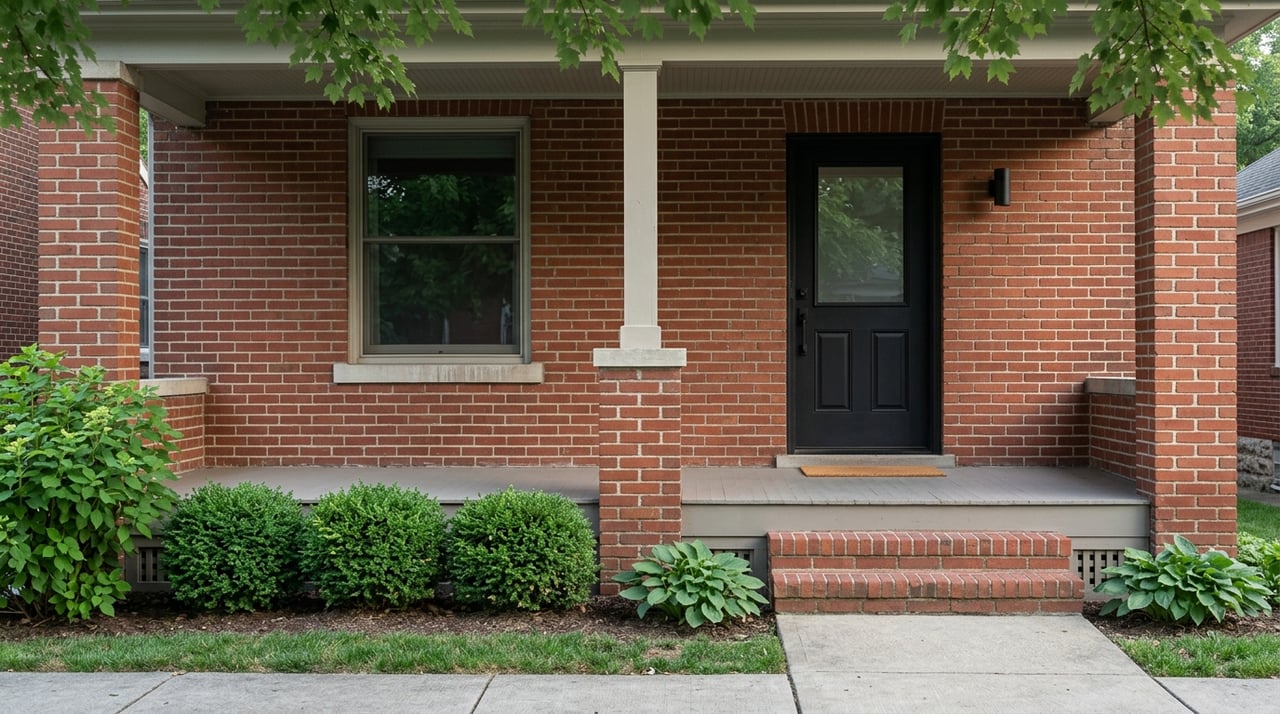
Historic vs. Newer Homes in Belleville: Which Fits Best?
April 16, 2026
April 16, 2026
If you are torn between a charming older home and a more recently built property in Belleville, you are not alone. This is one of the biggest choices buyers face here because Belleville offers both established historic areas and newer subdivision growth. By understanding how home age affects maintenance, layout, renovation plans, and long-term costs, you can make a more confident decision. Let’s dive in.
Belleville has a notably older housing stock. According to the city’s comprehensive planning materials, about two-thirds of the housing stock is 60 years or older, and less than 20 percent was built in the last 20 years. That means your home search may naturally include everything from century-old properties to newer east-side subdivision homes.
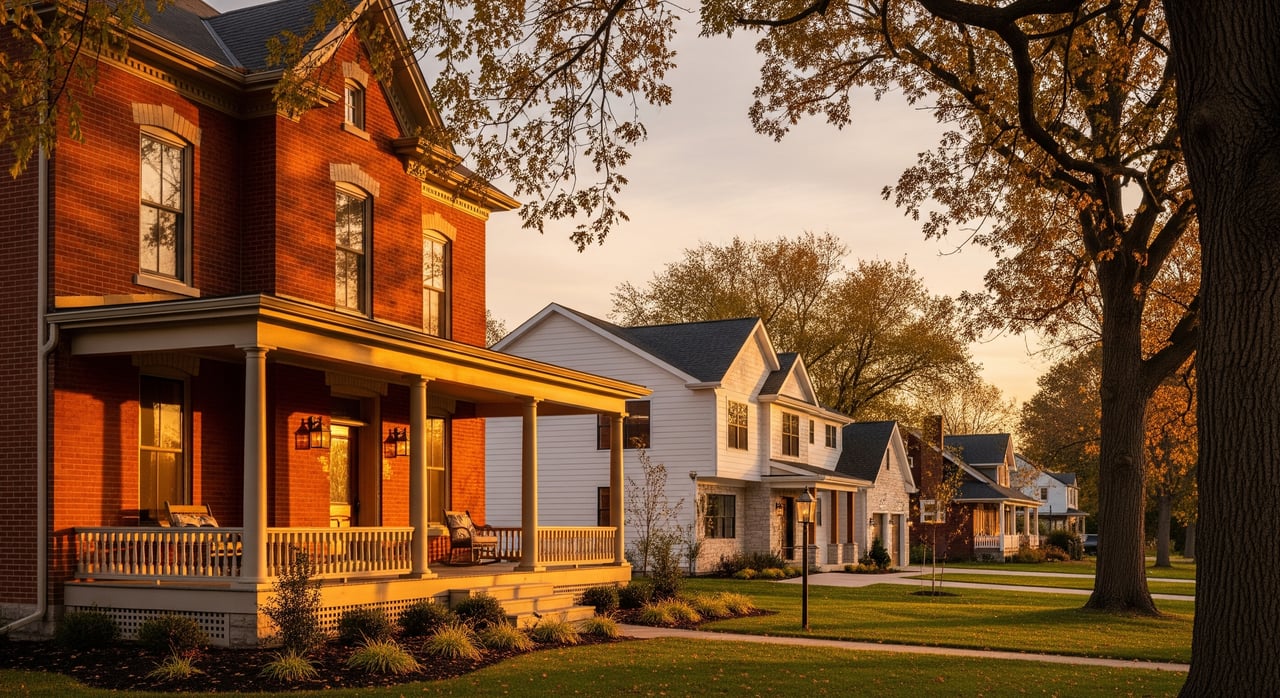
That mix gives you real options. In one direction, you may find homes with historic architecture, older streetscapes, and a more compact neighborhood pattern. In the other, you may see newer layouts, larger yards, and more standardized subdivision design.
Belleville also has a formal preservation structure. The city has three local historic districts, including Old Belleville, Hexenbuckel, and Oakland, and downtown Belleville is also part of a National Register historic district.
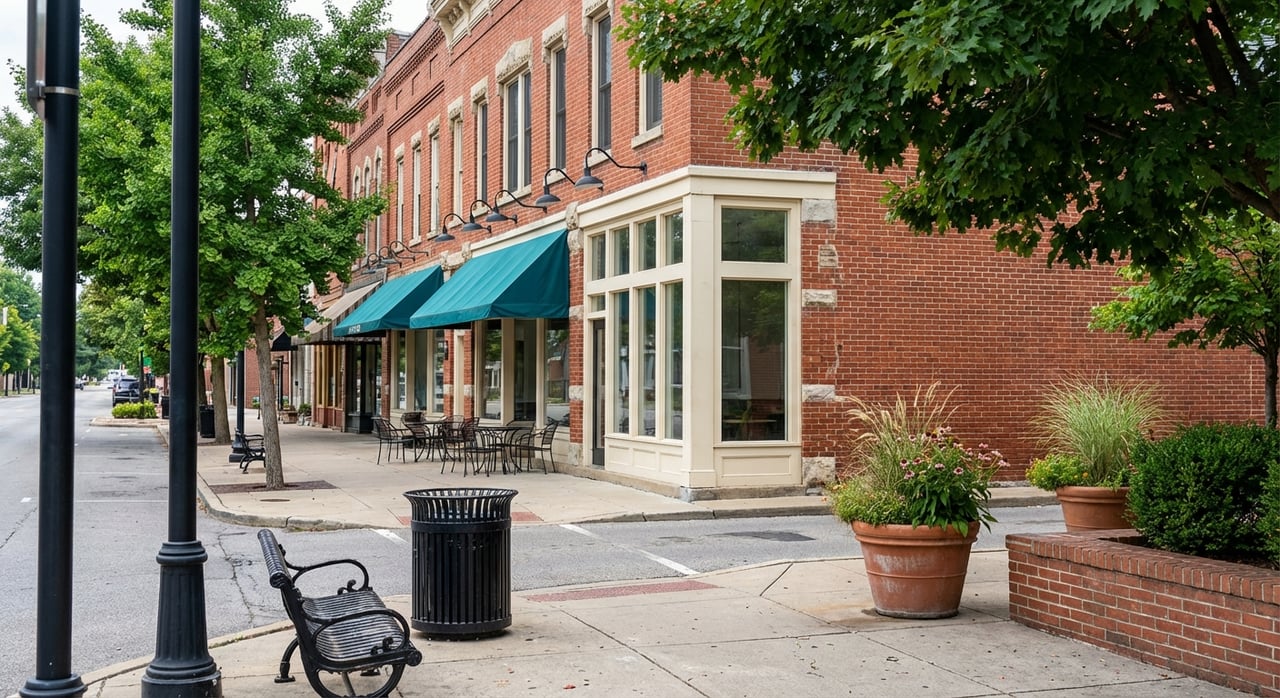
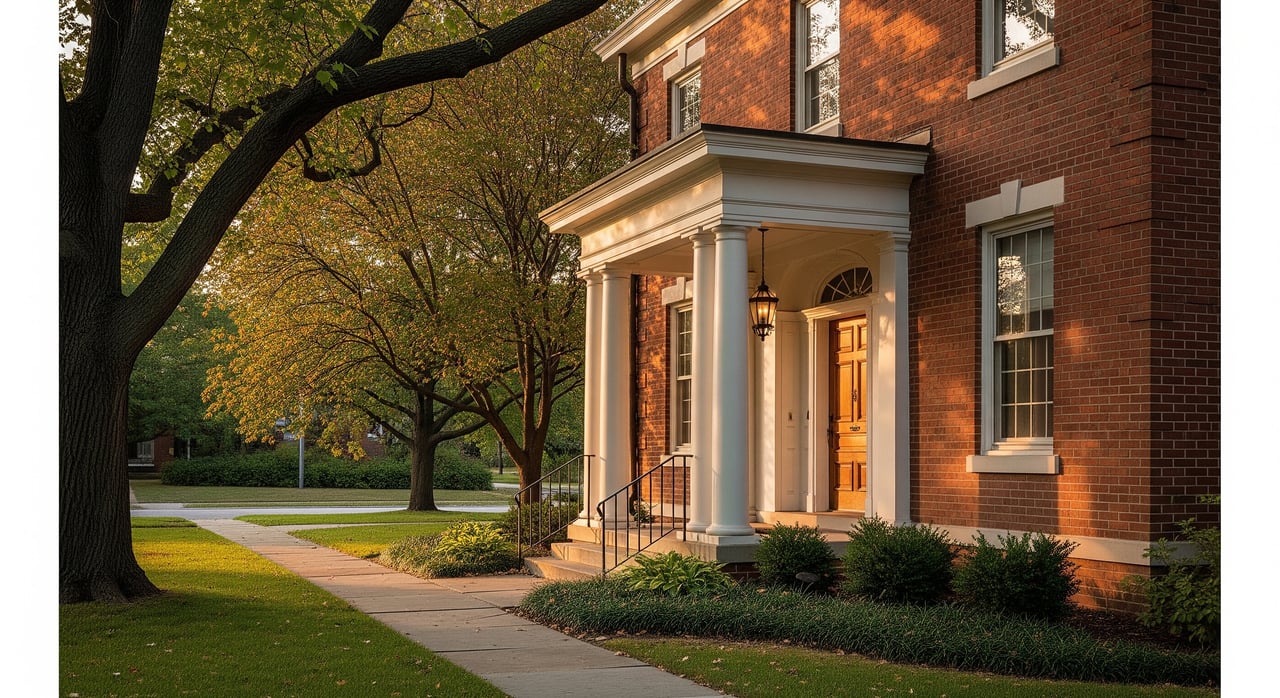
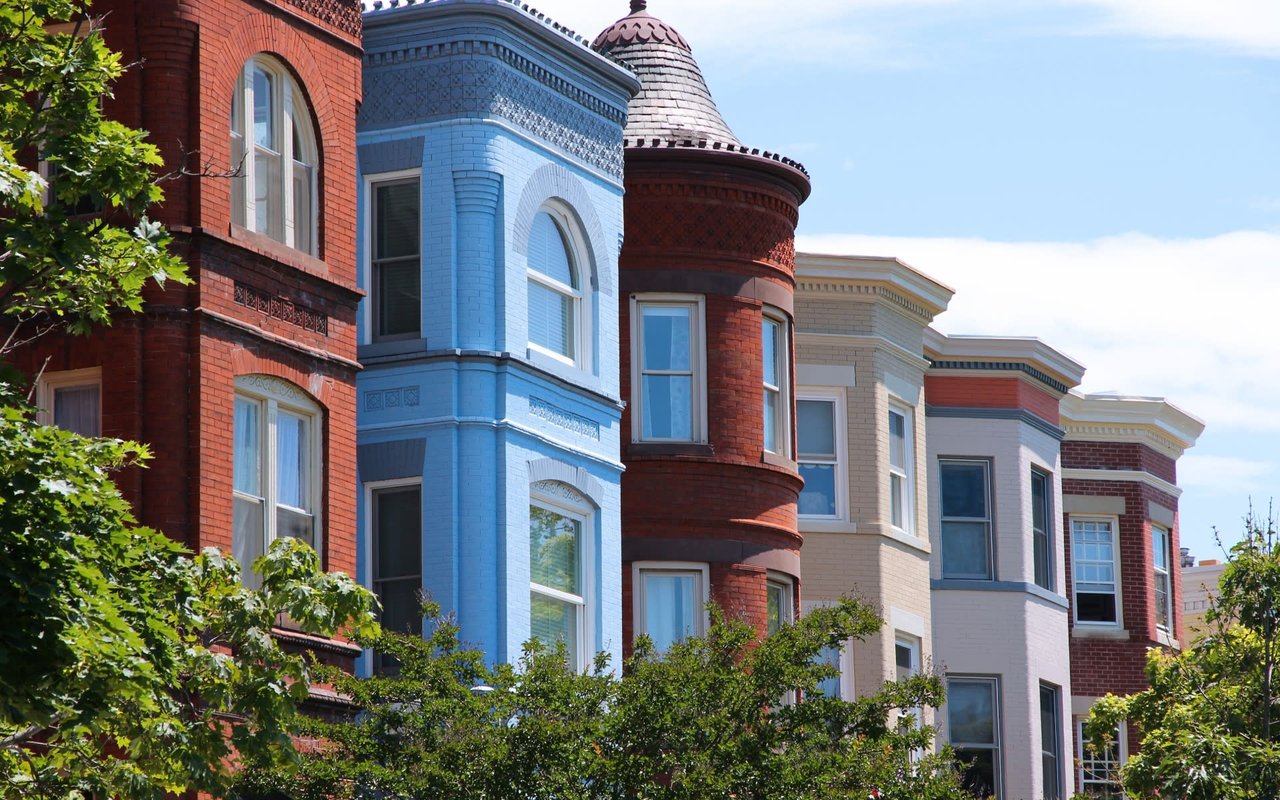
Historic homes in Belleville tend to stand out for their design and setting. The city’s historic core is associated with architecture such as Late Victorian and Italianate styles, and the West Belleville historic area includes many German street houses built mainly between the 1830s and 1870s, as noted in the National Park Service district record.
For you as a buyer, that often means details that are harder to find in newer homes. You may see more architectural character, mature streetscapes, and a neighborhood pattern that feels more connected to the city’s historic development. Belleville’s downtown events and historic-area programming also reinforce that neighborhood-centered feel.
If character is high on your list, older homes may be especially appealing. They often offer features and floor plans shaped by a different era, which can make them feel distinct from more recently built options.
If the home you want is in one of Belleville’s local historic districts, exterior changes may require extra review. The city requires a Design Review Request for exterior improvements within those districts.
This does not mean you cannot update the home. It does mean you should understand the approval process before you plan changes to siding, windows, porches, roofing details, or other visible exterior elements. Interior remodeling is generally not reviewed except in limited circumstances.
Many older homes can serve owners well for generations, but they usually require a more careful look before you buy. Belleville’s historic guidance notes that many historic buildings are over 100 years old and can last indefinitely if they are properly maintained.
That is why inspections and repair planning matter so much. HUD’s home rehabilitation guidance recommends evaluating the site, exterior, interior, and key systems like structure, electrical, plumbing, and HVAC. In practical terms, you will want to know what is original, what has been updated, and what may need attention soon.
If you are considering a pre-1978 home, renovation planning should include lead-safe practices. The EPA states that renovation, repair, and painting work in pre-1978 homes can create dangerous lead dust, and contractors doing this work must be certified and follow lead-safe rules.
For you, this is less about fear and more about planning. If you are budgeting for updates, make sure the scope, timeline, and contractor selection reflect those requirements.
Some buyers are surprised to learn that Illinois offers a potential incentive for qualifying historic residences. The state’s Property Tax Assessment Freeze program applies to qualifying owner-occupied historic homes, including contributing properties in approved local historic districts such as those in Belleville.
The program freezes assessed value for eight years and then phases it up over four more years, but eligibility rules apply. In general, rehabilitation expenses must equal at least 25 percent of the home’s pre-rehab fair cash value. It is also worth noting that the 20 percent federal historic tax credit is typically for income-producing historic buildings, not most owner-occupied single-family homes.
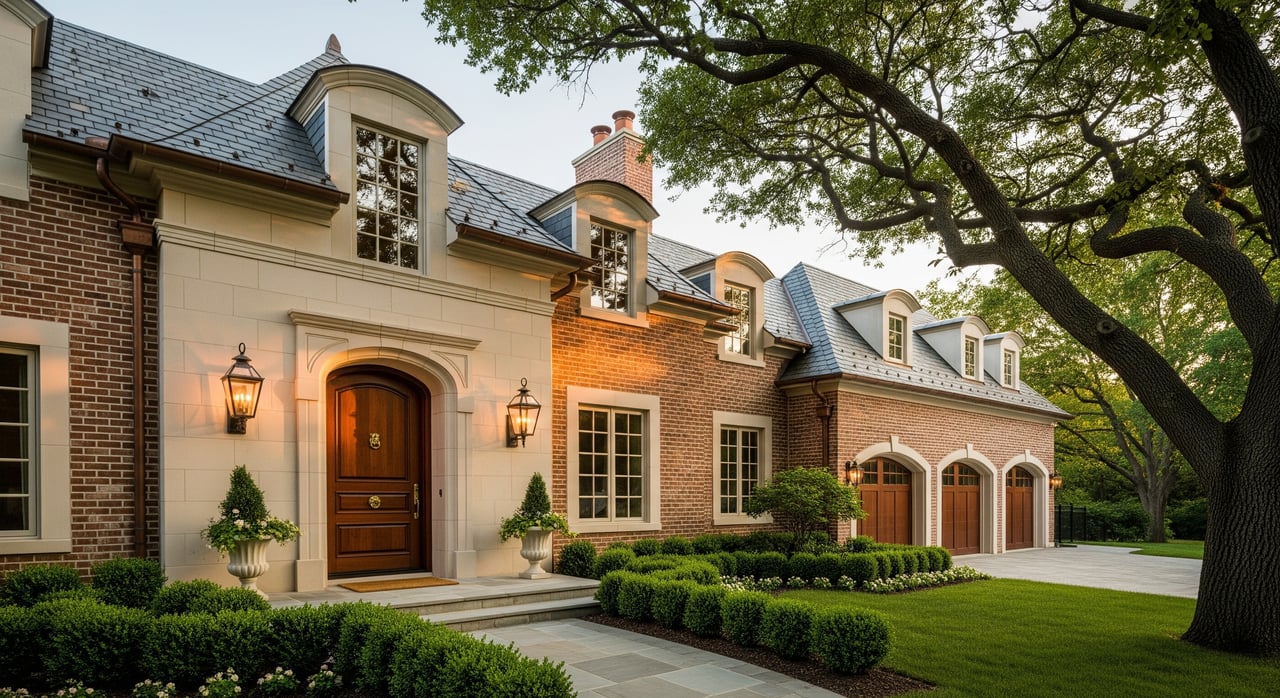
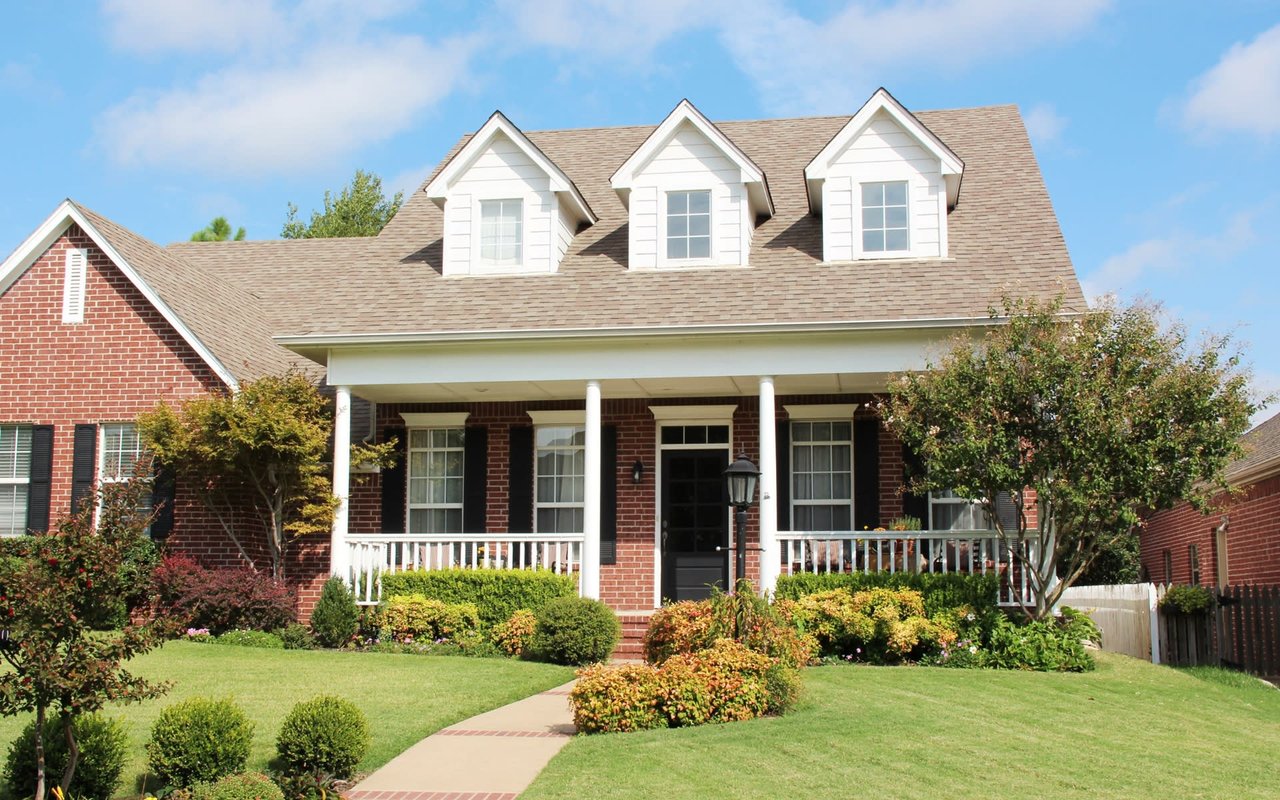
Newer homes in Belleville usually appeal to buyers who want a more current starting point. That can mean more modern systems, a more familiar suburban layout, and less immediate repair uncertainty.
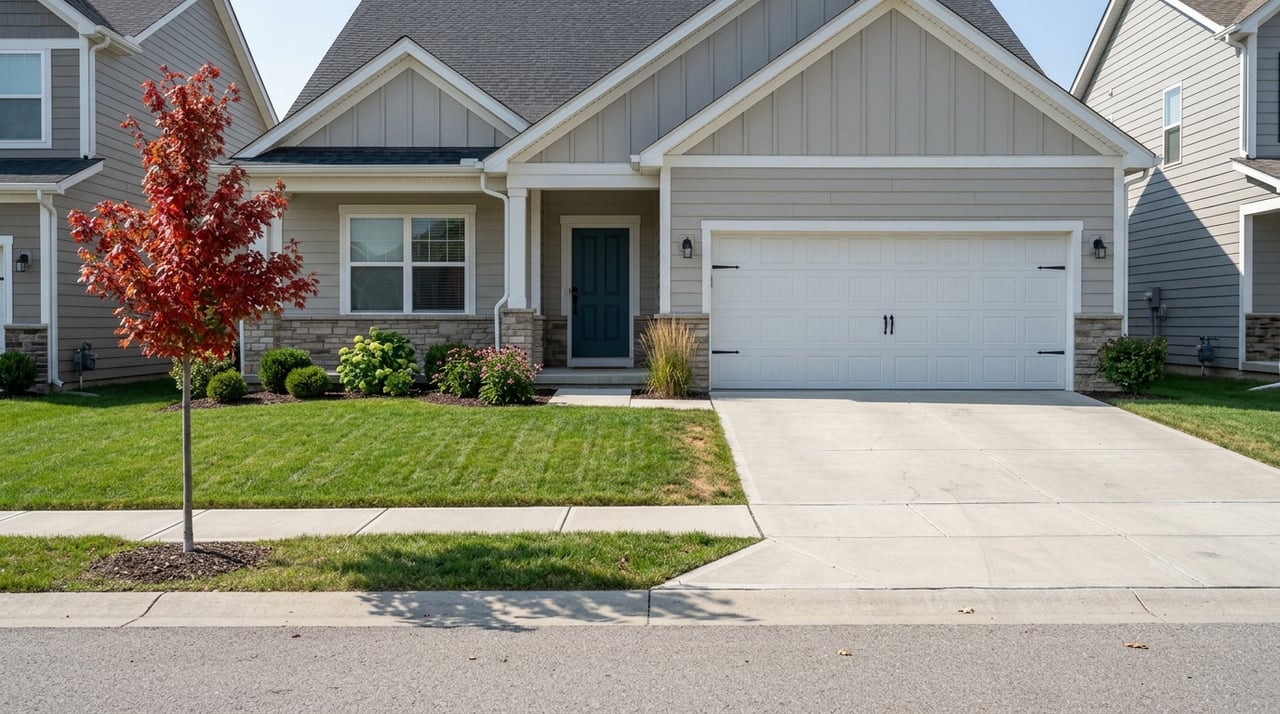
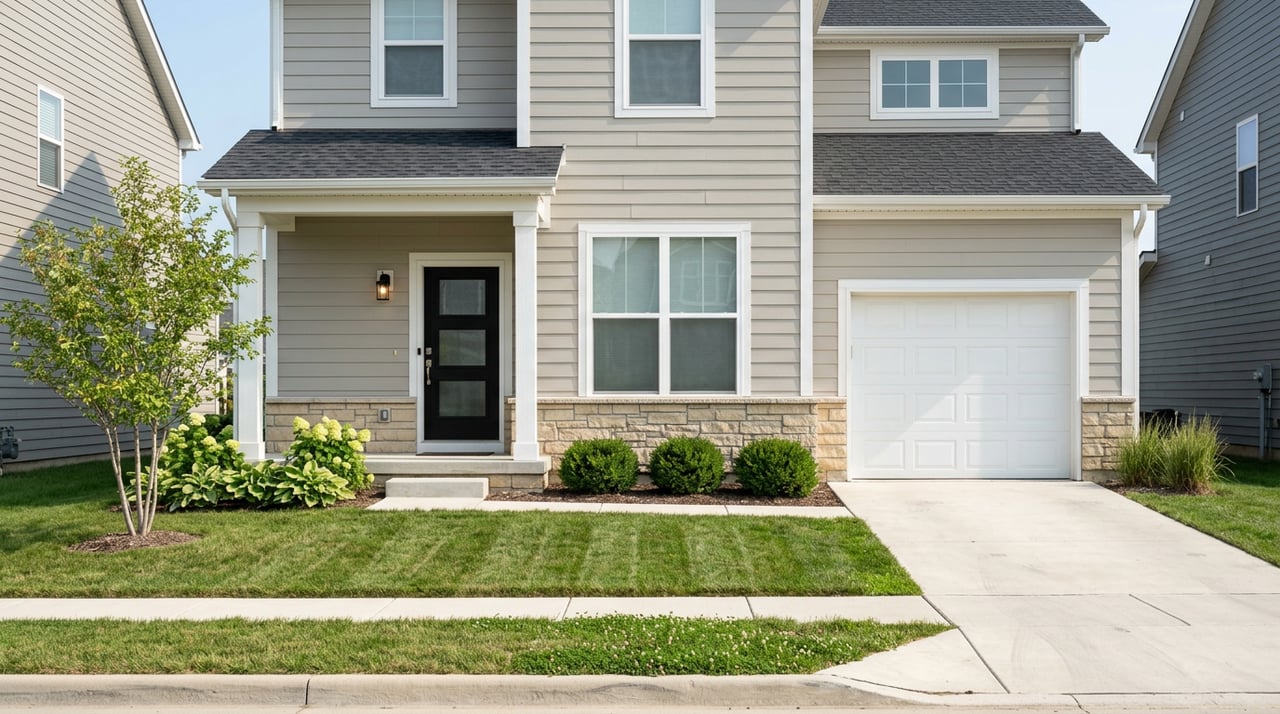
Belleville’s planning materials describe newer residential subdivision growth primarily to the east. In some of these areas, lot sizes are just above one-quarter acre, creating a different feel from the tighter historic-core pattern.
If yard space, driveway configuration, or more standardized setbacks matter to you, a newer home may be the better fit. Belleville’s subdivision planning documents suggest a more conventional suburban development pattern in these newer areas.
That does not automatically make one option better than the other. It simply means your day-to-day experience may look different depending on where you buy. Parking, privacy, outdoor use, and the rhythm of the street can all vary based on lot pattern and neighborhood design.
One of the biggest draws of a newer home is energy performance. ENERGY STAR notes that certified new homes are built for stronger energy efficiency and overall performance from the ground up.
That matters in Belleville’s climate. Official climate normals show about 41.65 inches of precipitation each year, 11.8 inches of snowfall, 95.2 days below freezing, and 51 days above 90 degrees, according to the Illinois State Climatologist data for Belleville. In a four-season climate like this, insulation, HVAC performance, and moisture control all matter.
It is easy to assume a newer home will have no issues, but that is not always true. Even recently built homes deserve a full inspection and a careful review of drainage, mechanical systems, insulation, air sealing, and other major components.
HUD guidance supports evaluating the same broad categories in any home, including site conditions, exterior elements, interior components, and utility systems. A newer build may reduce the chance of immediate major replacements, but it is still important to verify quality and condition before closing.
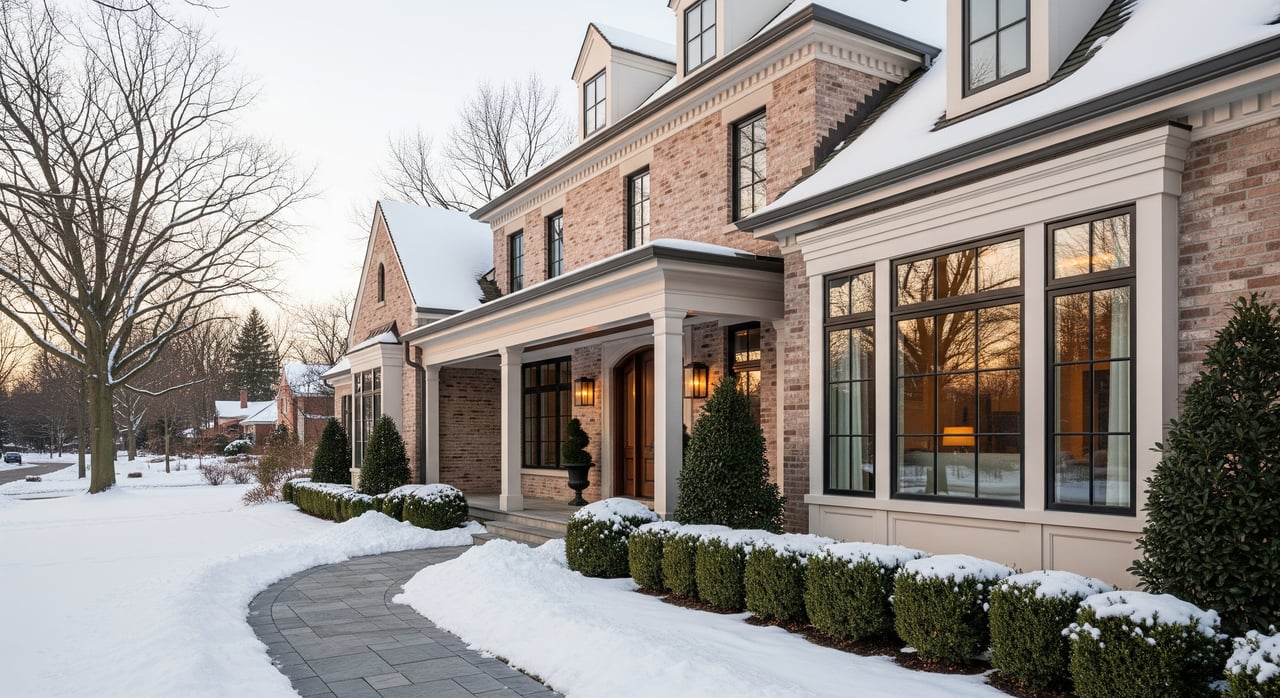
Whether you buy historic or newer, Belleville’s climate should shape your decision. With below-freezing days in winter, hot summer stretches, and year-round precipitation, homes here need to handle moisture, temperature swings, and seasonal wear.
In an older home, this may raise questions about insulation, air leakage, drainage, windows, and HVAC upgrades. In a newer home, the focus may be on how well the builder handled site drainage, ventilation, and system sizing. Either way, comfort and operating costs are tied closely to the home’s condition, not just its age.
If you are comparing an older property with a newer one, these questions can help you stay focused:
These questions can help you compare homes on more than style alone. They also help you estimate the true cost of ownership after move-in.
A historic home in Belleville may be the right fit if you value architectural character, established surroundings, and a more traditional neighborhood setting. A newer home may be the better choice if you prefer more modern systems, a conventional subdivision pattern, and potentially fewer short-term maintenance projects.
Neither option is universally better. The right choice depends on how you weigh style, upkeep, budget, renovation goals, and daily lifestyle.
Belleville is one of those markets where the differences are visible and meaningful. Because the city has both a strong historic core and newer east-side growth, buyers have the chance to choose a home that truly matches how they want to live.
If you want help comparing older and newer homes in Belleville, Jessica Michalke can help you look beyond surface appeal and evaluate what fits your goals, budget, and comfort level.
July 9, 2026
July 2, 2026

Buy | Sell | Thrive at Home
July 1, 2026
#4 is our favorite!
June 25, 2026
June 18, 2026
June 11, 2026
June 4, 2026

Buy | Sell | Thrive at Home
June 1, 2026
Because summer is a great time to start
May 28, 2026
May 21, 2026
May 14, 2026
May 7, 2026

Buy | Sell | Thrive at Home
May 1, 2026
Smart prep now = more sunshine later
April 23, 2026
April 16, 2026
April 2, 2026

Buy | Sell | Thrive at Home
April 1, 2026
Smart prep now = more sunshine later
March 24, 2026
March 5, 2026

Buy | Sell | Thrive at Home
February 27, 2026
3 Smart Ways to Keep Your Home Ready, So You Can Make Moves on Your Terms
February 19, 2026
February 5, 2026
February 2, 2026
Friendly, trusted guidance for military families relocating to the Scott AFB area

Buy | Sell | Thrive at Home
February 1, 2026
3 Major Benefits of Homeownership That Go Beyond the Numbers

January 15, 2026
Thrive in Real Estate
January 15, 2026
January 1, 2026

Buy | Sell | Thrive at Home
December 23, 2025
Approach Your 2026 Real Estate Decisions with Confidence
December 18, 2025
December 4, 2025
November 21, 2025
November 6, 2025
October 16, 2025
Real Estate
October 9, 2025
Discover the Best Mortgage Solutions in O'Fallon
September 30, 2025
Live.Laugh.Empower.
August 25, 2025
Live. Laugh. Empower

July 22, 2025
Homeownership Education
Home Ownership Education
June 19, 2025
Homeownership Education

May 27, 2025
April 22, 2025
Real Estate Expertise, Thrive At Home, Buyers & Sellers
April 22, 2025
Live.Laugh. Real Estate

March 26, 2025
Thrive At Home

March 13, 2025
LIVE. LAUGH. ILLINOIS.
March 3, 2025
Homeownership Live.Laugh. Real Estate February 6, 2025
January 23, 2025
Looking to Buy & Sell?: Know Your Options!
Jessica Michalke | December 4, 2024
How will you thrive in 2025?
We invite you to join us in this exciting new era of real estate. Experience the difference of working with a brokerage dedicated to empowering our agents, serving clients, and giving back to the community. Together, we can build a better future for our communities, and we'd love for you to be a part of it.
Join our community of enthusiastic subscribers and receive two emails per month packed with insights to help you live well, laugh often, and love Shiloh & Illinois even more!
(314) 221-1608
[email protected]
1207 Thouvenot Ln
Shiloh IL 62269