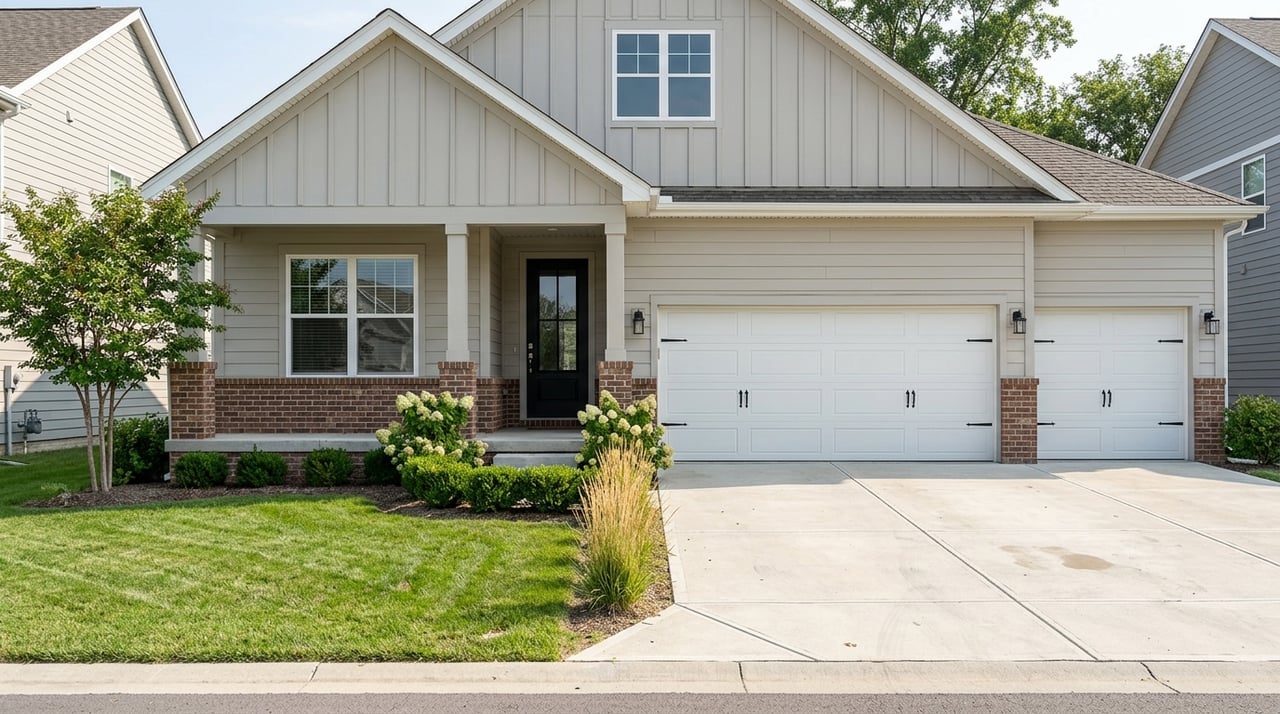
O’Fallon IL Move-Up Buyers: Sell and Buy Confidently
April 23, 2026
April 23, 2026
Trying to buy your next home while selling your current one can feel like a balancing act with real money on the line. If you are planning a move-up purchase in O'Fallon, you are likely asking the same big questions many local homeowners ask: Should you sell first, buy first, or try to line up both at once? The good news is that with the right timing, financing prep, and a clear strategy, you can make confident decisions instead of rushed ones. Let’s dive in.
O'Fallon is the kind of market where move-up decisions are common, not unusual. According to U.S. Census QuickFacts for O'Fallon, the city had an estimated 2024 population of 32,169, an owner-occupied housing rate of 70.2%, and a median owner-occupied home value of $295,700.
Those numbers help explain why many homeowners eventually look for more space, different features, or a home that better fits their next stage. The same Census data shows median household income of $105,982, median monthly owner costs with a mortgage of $2,105, and 26.2% of residents under 18.
O'Fallon also offers strong regional access and ongoing housing growth. The City of O'Fallon says the community is about 20 minutes from downtown St. Louis, next to Scott Air Force Base, and sees more than 100 new homes built each year.
If you are trading up, speed matters. Redfin’s O'Fallon housing market report described the market as very competitive and reported a median sale price of $320,000 in March 2026, with homes selling after a median of 44 days on market and 33.3% selling above list price.
That does not mean you cannot buy and sell successfully here. It means the buyers who usually feel the most confident are the ones who prepare financing early, understand their timing options, and avoid making major decisions on the fly.
The same local market snapshot noted that many homes receive multiple offers and some contingencies are waived. For move-up buyers, that makes planning even more important because you are managing two transactions at the same time, not just one.
Before you seriously shop for your next home, get clear on what you can qualify for and what cash you may need. The Consumer Financial Protection Bureau recommends thinking about financing before you find a home, since once an offer is accepted you may only have a couple of days to line things up.
A preapproval letter can help show sellers you are serious, and it can also help you set realistic boundaries for your next purchase. The CFPB also notes that closing costs commonly run about 2% to 5% of the purchase price, separate from your down payment.
That matters more than many people expect. If you are counting on proceeds from your current home, you need a plan for how those funds line up with your closing timeline.
There is no one-size-fits-all path for O'Fallon move-up buyers. The best approach depends on your equity, your comfort with risk, and how competitive your target home may be.
For many homeowners, selling first is the cleaner and less stressful route. It can reduce the chance of carrying two housing payments at once and gives you a clearer picture of your actual sale proceeds.
This approach often works well when your current home is likely to attract solid interest quickly. In a market like O'Fallon, where well-priced homes can still move fast, selling first can put you in a stronger position when it is time to write on the next home.
Some homeowners want to secure the next home before listing their current one. This can be appealing if you have significant equity, want to avoid moving twice, or do not want to miss a specific property.
The tradeoff is higher financial complexity. You may need a short-term financing solution, and you need to be very comfortable with the possibility of overlap between the two homes.
This is often the goal, even if it takes careful planning to pull off. Chase’s guidance on buying and selling at the same time recommends scheduling closings close together and considering tools like a short rent-back when timing needs a little extra flexibility.
When this works, it can reduce disruption and keep your cash flow more predictable. It also requires strong communication between your agent, lender, and title professionals so nothing falls through the cracks.
A home-sale contingency allows you to make an offer that depends on selling your current home first. According to Chase’s explanation of contingent vs. pending, this is one of the most common contingencies, but it is also one that sellers may see as risky.
That is because the seller’s closing depends on your sale happening on time. In a competitive market, a seller may reject that kind of offer or include a kick-out clause that allows them to keep marketing the home until your contingency is removed.
For you, the upside is protection. A home-sale contingency can help you avoid owning two homes at once, but it may weaken your offer if the target home is getting heavy attention.
A bridge loan is a short-term loan that helps cover the gap between buying your next home and selling your current one. Chase’s bridge loan guide says these loans can help with down payment and closing costs before sale proceeds arrive, with terms often ranging from six months to three years.
This strategy can make your offer look stronger because you may not need a sale contingency. That can be useful if you are trying to compete for a home in a fast-moving segment of the O'Fallon market.
Still, this is not the right fit for everyone. Bridge loans often come with higher rates, possible balloon payments, and stricter equity and credit requirements, so they work best when you have a very clear plan and lender approval in place.
Sometimes your current home sells before your next one is ready. In that case, a rent-back agreement may help you stay in the home for a short period after closing.
Chase’s rent-back overview explains that these agreements are usually written out with details like the time period, rent amount, and repair responsibilities. They commonly last from a few days up to 60 days.
A rent-back can be a very practical tool, but it is important to understand what it does and does not solve. It can help with timing, but it is not a substitute for the actual funds needed to qualify for your purchase.
The closing calendar is often where move-up plans either come together or get messy. Chase notes that closings are generally scheduled after an offer is accepted and are often at least 30 days later, while extensions require agreement from all parties.
That is why realistic timing matters so much. If your sale, purchase, financing, inspection, and moving pieces are all stacked too tightly, one delay can ripple through everything else.
A strong plan usually includes:
If you want a practical way to think about this process, focus on sequencing instead of trying to predict everything. In O'Fallon, where the market can still move quickly, your confidence usually comes from preparation, not perfect conditions.
A smart starting framework looks like this:
The goal is not to remove every variable. The goal is to make informed choices that fit your finances, timeline, and comfort level.
A move-up purchase is more than a home search. You are balancing pricing strategy on the home you own, negotiating terms on the home you want, and managing financing and timing in between.
That is where local guidance can make the process feel more manageable. When you have a plan built around O'Fallon market conditions and your specific goals, it becomes much easier to move forward without second-guessing every step.
If you are thinking about making a move in O'Fallon, Jessica Michalke can help you map out the timing, pricing, and next steps so you can sell and buy with more clarity and less stress.

July 9, 2026
July 2, 2026

Buy | Sell | Thrive at Home
July 1, 2026
#4 is our favorite!

June 25, 2026
June 18, 2026

June 11, 2026
June 4, 2026

Buy | Sell | Thrive at Home
June 1, 2026
Because summer is a great time to start

May 28, 2026

May 21, 2026
May 14, 2026
May 7, 2026

Buy | Sell | Thrive at Home
May 1, 2026
Smart prep now = more sunshine later
April 23, 2026
April 16, 2026
April 2, 2026

Buy | Sell | Thrive at Home
April 1, 2026
Smart prep now = more sunshine later

March 24, 2026
March 5, 2026

Buy | Sell | Thrive at Home
February 27, 2026
3 Smart Ways to Keep Your Home Ready, So You Can Make Moves on Your Terms
February 19, 2026

February 5, 2026

February 2, 2026
Friendly, trusted guidance for military families relocating to the Scott AFB area

Buy | Sell | Thrive at Home
February 1, 2026
3 Major Benefits of Homeownership That Go Beyond the Numbers

January 15, 2026
Thrive in Real Estate

January 15, 2026

January 1, 2026

Buy | Sell | Thrive at Home
December 23, 2025
Approach Your 2026 Real Estate Decisions with Confidence

December 18, 2025

December 4, 2025

November 21, 2025

November 6, 2025

October 16, 2025

Real Estate
October 9, 2025
Discover the Best Mortgage Solutions in O'Fallon

September 30, 2025
Live.Laugh.Empower.

August 25, 2025
Live. Laugh. Empower

July 22, 2025
Homeownership Education

Home Ownership Education
June 19, 2025
Homeownership Education

May 27, 2025

April 22, 2025
Real Estate Expertise, Thrive At Home, Buyers & Sellers

April 22, 2025
Live.Laugh. Real Estate

March 26, 2025
Thrive At Home

March 13, 2025
LIVE. LAUGH. ILLINOIS.

March 3, 2025
Homeownership Live.Laugh. Real Estate February 6, 2025

January 23, 2025
Looking to Buy & Sell?: Know Your Options!

Jessica Michalke | December 4, 2024
How will you thrive in 2025?
We invite you to join us in this exciting new era of real estate. Experience the difference of working with a brokerage dedicated to empowering our agents, serving clients, and giving back to the community. Together, we can build a better future for our communities, and we'd love for you to be a part of it.
Join our community of enthusiastic subscribers and receive two emails per month packed with insights to help you live well, laugh often, and love Shiloh & Illinois even more!

(314) 221-1608
[email protected]
1207 Thouvenot Ln
Shiloh IL 62269