Preparing To Sell In Glen Carbon: A Local Homeowner Checklist
July 23, 2026
July 23, 2026
Thinking about selling your Glen Carbon home in the next few months? In a market where buyers notice condition, layout, and curb appeal right away, the prep work you do before listing can shape both your first impression and your final result. The good news is that you do not need to guess where to start. This local checklist will help you focus on the updates, paperwork, and timing that matter most in Glen Carbon. Let’s dive in.
Glen Carbon offers a mix of established neighborhoods and newer developments, with strong appeal tied to everyday livability, parks, trails, and easy access to the St. Louis metro. That means many buyers are comparing not just price, but also how move-in ready a home feels when they first see it.
Recent housing data points to an active local market in the mid-$300,000s. Redfin reported a median sale price of $354,288 for the three months ending May 2026, while Zillow placed the average home value at $342,434 as of June 30, 2026. Those are different measurements, but together they support a simple takeaway: pricing and presentation both matter.
Before you paint a wall or mulch a bed, gather the documents tied to your home. This step helps you avoid delays later and gives you a clearer picture of any issues you may need to address before listing.
Create one folder, digital or paper, for records related to major work done during your ownership. Include warranties, manuals, invoices, inspection reports, and permit records if you have them.
Glen Carbon’s Building and Zoning Department handles permit applications online only, and village code requires permits for a range of residential projects. These can include decks, fences, driveways, plumbing, electrical work, pools, additions, remodels, covered porches, accessory structures, and solar.
If you completed any of that work while owning the home, gather permit sign-offs and inspection records now. Buyers often ask about exterior, mechanical, or structural improvements, and having those records ready can make the process smoother.
Illinois requires sellers of residential property to provide the Residential Real Property Disclosure Report before a contract is signed. You must disclose material defects you actually know about, and if new information comes up after the disclosure is delivered, you must provide a written supplement before closing.
The form covers a wide range of topics, including foundation or basement defects, roof leaks, electrical and plumbing issues, wall and window concerns, termites, fuel tanks, code violations, and more. The key point is simple: start reviewing known issues early so you are not scrambling at the last minute.
Illinois law also requires sellers to provide the IEMA radon pamphlet and disclosure form before a buyer is obligated under a contract. If you have radon test records showing elevated levels, those records must be provided.
If your home was built before 1978, check whether you have any records related to lead-based paint or lead hazards. Federal rules require known lead-based paint or lead-hazard information to be disclosed before sale for most housing built before 1978.
Not every project deserves your time or money before a sale. In most cases, the best return comes from visible, practical improvements that make your home feel clean, cared for, and easy to move into.
Research on remodeling impact points to strong seller-side value in curb appeal work, paint, and front-door updates. That is especially useful in Glen Carbon, where first impressions can carry real weight.
NAR reports that 92% of Realtors recommend curb appeal improvements before listing, and 97% say curb appeal is important to attracting a buyer. That makes exterior presentation one of the smartest places to start.
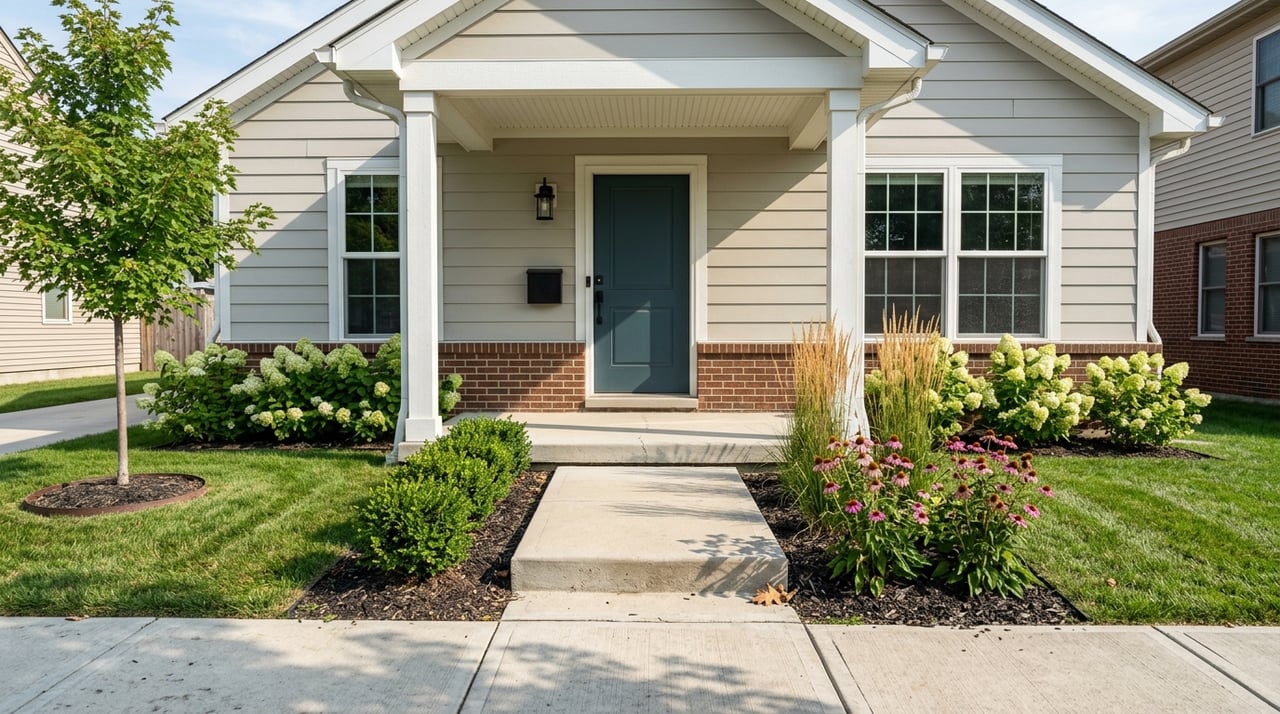
Use a simple curb appeal checklist like this:
A full remodel is not always necessary, but tired finishes can make a home feel older or less cared for than it really is. NAR’s 2025 remodeling findings show that painting the entire home or even just one interior room is among the improvements Realtors most often recommend.
If your walls are heavily personalized, scuffed, or dark, paint can offer a quick visual reset. Neutral, clean-looking spaces usually photograph better and help buyers focus on the home itself.
Small deferred-maintenance items can raise bigger questions in a buyer’s mind. Fix the little things that suggest the home has not been maintained, especially in the main living spaces and at the front of the home.
Prioritize repairs such as:
If your roof, entry door, or another major feature has obvious wear, ask whether that issue is likely to stand out in photos or showings. Bigger projects should be weighed against your home’s condition, age, price point, and likely buyer expectations rather than done automatically.
If you only do one thing inside your home before listing, make it decluttering. Staging research shows that 83% of buyers’ agents say staging makes it easier for buyers to visualize a property as a future home.
That does not always mean full-service staging. It often means making the home feel more open, brighter, and easier to understand the moment someone walks in.
The rooms most often staged are the living room, primary bedroom, and dining room or kitchen areas. In other words, focus first on the spaces where buyers spend the most time looking and imagining daily life.
In those rooms, remove extra furniture, clear surfaces, and simplify decor. The goal is not to make your home look empty. The goal is to make each room feel larger, calmer, and easier to picture.
Walk through your home with this short list:
Strong marketing starts with strong visuals. Staging research shows that photos, traditional staging, videos, and virtual tours rank highly with buyers.
That means timing matters. Complete repairs, decluttering, and curb appeal work before photos are scheduled so your listing launches with your home in its best condition.
A room can feel fine in person but crowded in photos. Before photography day, look at each main space and ask whether anything blocks light, traffic flow, or the sense of size.
Open blinds if the view is tidy, replace dim bulbs, and make sure every room has a clear purpose. A bonus room should read as an office, playroom, or guest space, not a catch-all storage area.
If you have several months before you want to sell, the best sequence is usually simple. Start with records and disclosure items, then tackle repairs and curb appeal, and finish with decluttering, staging, and photos closer to your list date.
That order works well because it handles legal and practical issues first, then improves what buyers see most. It also helps you avoid spending money in the wrong places.
Here is a simple planning framework:
2 to 3+ months before listing
3 to 6 weeks before listing
1 to 2 weeks before listing
Just before listing
A common mistake is assuming you need a major renovation to compete. In reality, research shows cost recovery varies by project, so larger updates should be judged carefully.
If your kitchen or bath is dated but functional, you may not need a full remodel to sell successfully. In many cases, smart preparation, accurate pricing, and polished presentation can do more for your outcome than a rushed, expensive project.
Every Glen Carbon home has a slightly different prep strategy based on age, condition, location, and likely buyer expectations. A newer home may need little more than decluttering and curb appeal, while an older home may benefit from more documentation and a sharper repair plan.
That is where local pricing guidance, staging advice, and pre-list strategy can make a real difference. If you want a clear plan for what to do first, what to skip, and how to position your home for the current market, Jessica Michalke can help you build a smart seller checklist that fits your timeline.
July 23, 2026
July 16, 2026

July 9, 2026
July 2, 2026

Buy | Sell | Thrive at Home
July 1, 2026
#4 is our favorite!
June 25, 2026
June 18, 2026
June 11, 2026
June 4, 2026

Buy | Sell | Thrive at Home
June 1, 2026
Because summer is a great time to start

May 28, 2026
May 21, 2026
May 14, 2026
May 7, 2026

Buy | Sell | Thrive at Home
May 1, 2026
Smart prep now = more sunshine later
April 23, 2026
April 16, 2026
April 2, 2026

Buy | Sell | Thrive at Home
April 1, 2026
Smart prep now = more sunshine later
March 24, 2026
March 5, 2026

Buy | Sell | Thrive at Home
February 27, 2026
3 Smart Ways to Keep Your Home Ready, So You Can Make Moves on Your Terms

February 19, 2026

February 5, 2026

February 2, 2026
Friendly, trusted guidance for military families relocating to the Scott AFB area

Buy | Sell | Thrive at Home
February 1, 2026
3 Major Benefits of Homeownership That Go Beyond the Numbers

January 15, 2026
Thrive in Real Estate

January 15, 2026
January 1, 2026

Buy | Sell | Thrive at Home
December 23, 2025
Approach Your 2026 Real Estate Decisions with Confidence

December 18, 2025

December 4, 2025

November 21, 2025

November 6, 2025
October 16, 2025

Real Estate
October 9, 2025
Discover the Best Mortgage Solutions in O'Fallon

September 30, 2025
Live.Laugh.Empower.

August 25, 2025
Live. Laugh. Empower

July 22, 2025
Homeownership Education
Home Ownership Education
June 19, 2025
Homeownership Education

May 27, 2025

April 22, 2025
Real Estate Expertise, Thrive At Home, Buyers & Sellers

April 22, 2025
Live.Laugh. Real Estate

March 26, 2025
Thrive At Home

March 13, 2025
LIVE. LAUGH. ILLINOIS.
March 3, 2025
Homeownership Live.Laugh. Real Estate February 6, 2025

January 23, 2025
Looking to Buy & Sell?: Know Your Options!
Jessica Michalke | December 4, 2024
How will you thrive in 2025?
We invite you to join us in this exciting new era of real estate. Experience the difference of working with a brokerage dedicated to empowering our agents, serving clients, and giving back to the community. Together, we can build a better future for our communities, and we'd love for you to be a part of it.
Join our community of enthusiastic subscribers and receive two emails per month packed with insights to help you live well, laugh often, and love Shiloh & Illinois even more!

(314) 221-1608
[email protected]
1207 Thouvenot Ln
Shiloh IL 62269